“This article expresses my personal analysis based on publicly available financial data and market reports.”
A Sudden Policy Move That Caught Everyone’s Attention
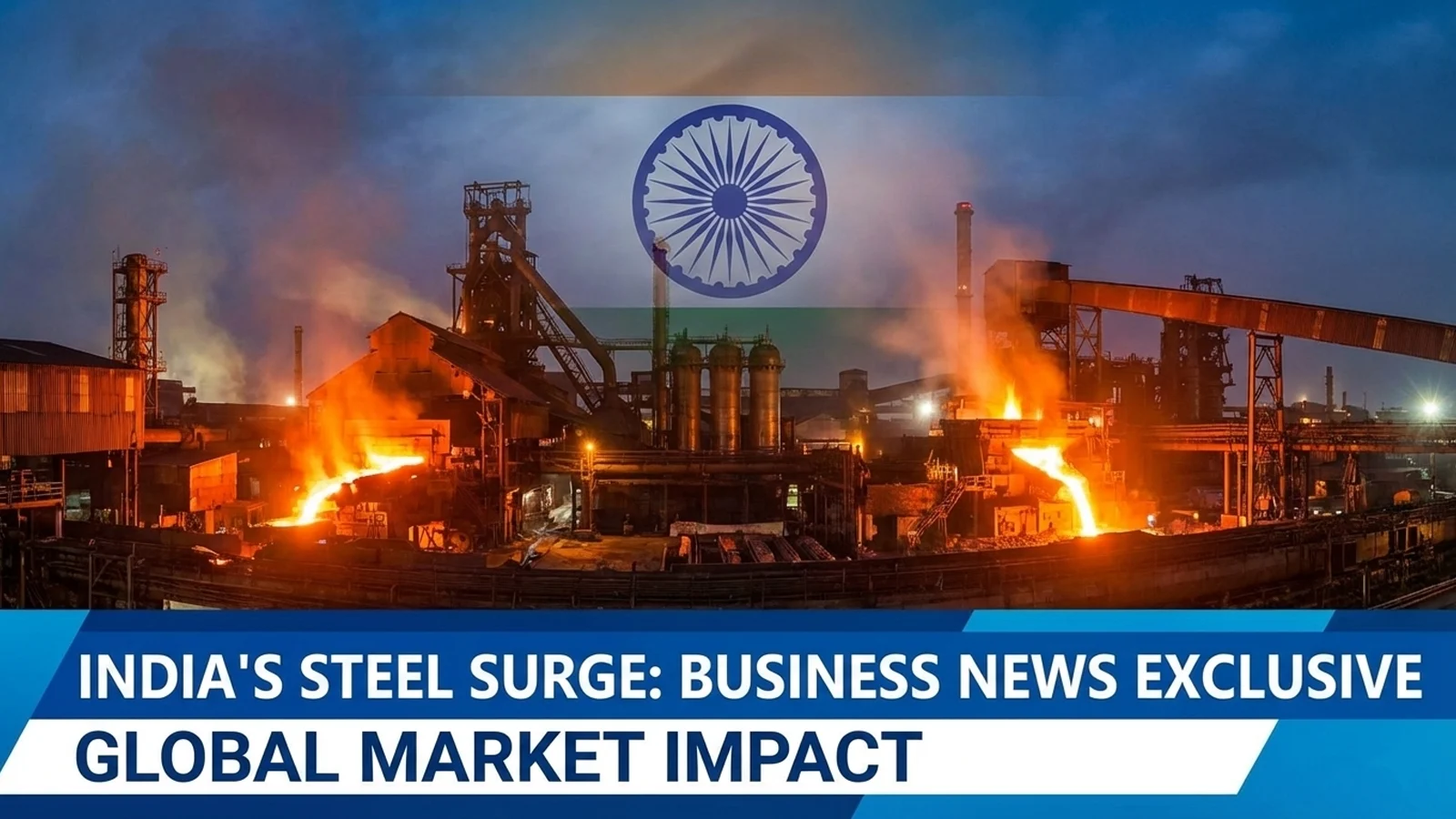
India’s steel story took a sharp turn this week. Just when global manufacturers were enjoying easy access to the Indian market, the government drew a clear line. A three-year safeguard tariff on select steel products has been announced, following an unexpected surge in imports that raised serious red flags.
This is not just a trade decision. It’s a signal. A message to global suppliers, domestic manufacturers, and investors watching India’s manufacturing future closely.
Why India Introduced the Steel Import Tariff in 2025
Over the past year, Indian ports saw a flood of steel shipments arriving at unusually low prices. For Indian producers, this wasn’t healthy competition — it was pressure that felt unsustainable.
Domestic companies reported falling margins, delayed expansion plans, and rising anxiety across the supply chain. When imports rise too quickly, even efficient manufacturers struggle to survive.
That’s where the alarm bells rang.
Also Read Bank Holidays in 2026: RBI Calendar & India-Wide List
What the 3-Year Steel Import Tariff Actually Means
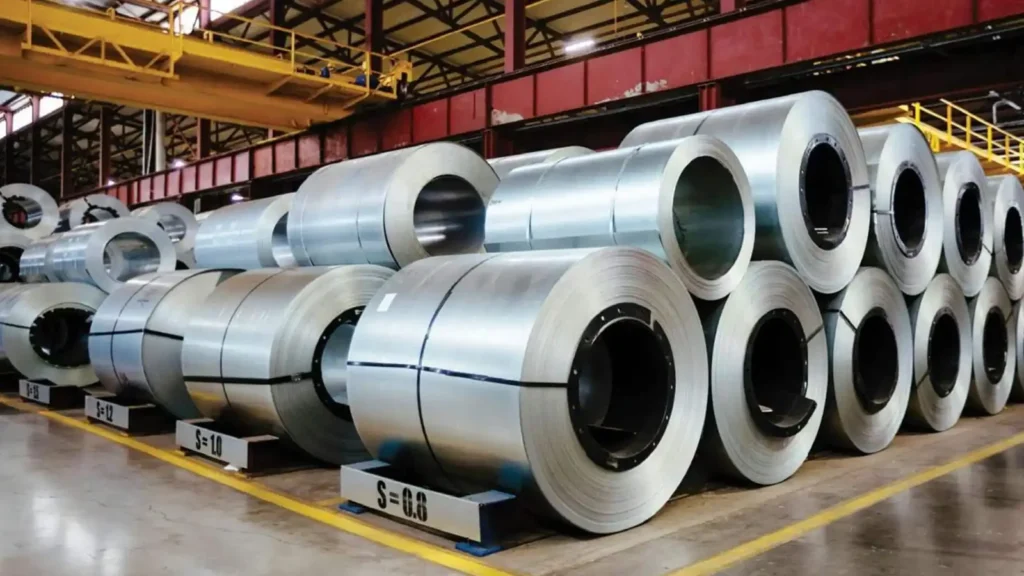
The newly imposed duty is a safeguard measure, not a blanket ban. It applies only to specific steel products and is designed to slow the pace of imports, not stop them entirely.
The three-year window gives Indian steelmakers time to:
- Regain pricing balance
- Improve production efficiency
- Plan future investments
Safeguard duties are globally accepted tools, and India is well within its trade rights to use them.
Relief for Indian Steel Producers, Especially Smaller Players
For large steel manufacturers, the tariff offers breathing space. For smaller and mid-sized players, it offers survival.
Without protection, many local units were being pushed to the edge. With this move, pricing becomes fairer, capacity utilization improves, and confidence slowly returns.
Industry voices say this could also accelerate India’s shift toward higher-grade and greener steel, which is becoming a key demand trend in 2025.
Will This Push Steel Prices Higher in India?
This is the big question.
In the short term, steel prices may firm up slightly. But experts don’t expect runaway inflation. India already has strong domestic production capacity, and competition among local players remains intense.
For infrastructure projects, housing, and public works, the impact is likely to be manageable rather than disruptive.
MSMEs and Infrastructure: A Hidden Positive
Small businesses often suffer the most when markets turn unstable. Volatile import prices make planning difficult and contracts risky.
With imports now regulated, MSMEs get a more predictable pricing environment. That stability matters — especially for construction contractors, fabrication units, and engineering firms working on tight margins.
Trade Protection vs Free Market: India’s Careful Line
The Government of India has been clear — this is not about closing doors. It’s about fairness.
India continues to support global trade, but not at the cost of weakening its own industrial base. In 2025, economic resilience matters as much as openness.
This move fits well with India’s broader manufacturing ambitions and employment goals.
Market Reaction and Investor Sentiment
Historically, safeguard duties have been seen as positive triggers for domestic steel stocks. Investors read such decisions as policy backing for earnings stability.
That said, markets will closely watch how steel companies use this window. Protection without performance won’t impress investors for long.
Also Read HFCL Share Price Surge After Worst Year Since 2008
A Temporary Shield, Not a Permanent Fix

Let’s be honest — tariffs are not magic solutions. They buy time, nothing more.
The real test begins now. Indian steelmakers must use these three years to modernise plants, cut costs, and align with global quality standards. If they do, the industry emerges stronger. If not, problems return once the duty ends.
Final Thoughts: A Tough but Sensible Decision
Personally, I believe this is a necessary intervention at the right moment. The government didn’t overreact, nor did it stay silent. It chose balance.
In an uncertain global trade environment, protecting domestic capabilities while staying globally connected is a prudent approach. The steel industry now has a chance — what it does with it will define India’s manufacturing story beyond 2025.
FAQs About India steel import tariff 2025
1. What is the steel safeguard duty announced by India?
Ans.: It is a temporary tariff imposed on select steel products to control a sudden surge in imports and protect domestic manufacturers from unfair pricing pressure.
2. Why did India impose this duty now?
Ans.: Imports increased sharply in a short time, hurting local producers. The government acted to prevent long-term damage to the domestic steel industry.
3. How long will the steel safeguard duty remain in place?
Ans.: The duty will apply for three years, giving Indian steelmakers time to stabilize and improve competitiveness.
4. Will steel prices rise for consumers?
Ans.: Prices may firm up slightly, but experts expect the impact to be moderate due to strong domestic production capacity.
5. Does this mean India is closing its market to global trade?
Ans.: No. The move is temporary and targeted. India continues to support fair trade while protecting key domestic industries.
Also Read Cupid Shares Hit All-Time High in 2025: What’s Driving the Rally?
Disclaimer: The views and recommendations above are those of individual analysts or brokerage companies, not US News Weeks. We advise investors to check with certified experts before making any investment decisions.
Source : Hindustan Times & Times of India - India steel import tariff 2026
✍️ Written by Nikhil Singh
Market & IPO Analyst | Business News Writer | Tech-Auto Observer
Nikhil has been tracking Indian IPOs, consumer brands, tech & automobile overview, and financial trends since 2019. His writing style seamlessly blends market insight with a relatable human voice, making complex data accessible to everyday investors.