“This article expresses my personal analysis based on publicly available financial data and market reports.”
A glimmer of light in a stormy quarter
When you’re steering through a storm, even a sliver of light gives hope. That’s what Ola Electric Mobility Ltd. (Ola Electric) has managed in Ola Electric Q2 FY26 — still in the red, but inching toward stability. The numbers reveal both pain and promise, showing how this quarter matters for India’s growing EV boom.
Q2 snapshot: Loss shrinks, revenue plunges
In the quarter ended September 2025, Ola Electric reported a consolidated net loss of ₹418 crore, improved from a loss of ₹495 crore a year ago.
But on the flip side, revenue tumbled roughly 43% year-on-year, down to about ₹690 crore. Deliveries too: the company delivered 52,666 units in Q2, a marked drop compared to earlier volumes.
For anyone watching the EV space, that’s a signalling moment: cost control working, but demand and volume rapidly slipping.

Margin improvement: A key bright spot
What caught my attention is the margin narrative. Ola’s auto segment showed positive EBITDA of ~0.3% in Q2 (from -5.3% in Q1). Gross margin for the auto business expanded to 30.7%, up by 510 basis points sequentially.
Why is this important? Because in the EV world, volume without margin is risky. It’s easy to sell more scooters at discounts and burn cash. Margin improvement signals operational discipline. For Ola, this could be the turning point.
Demand slump and competitive headwinds
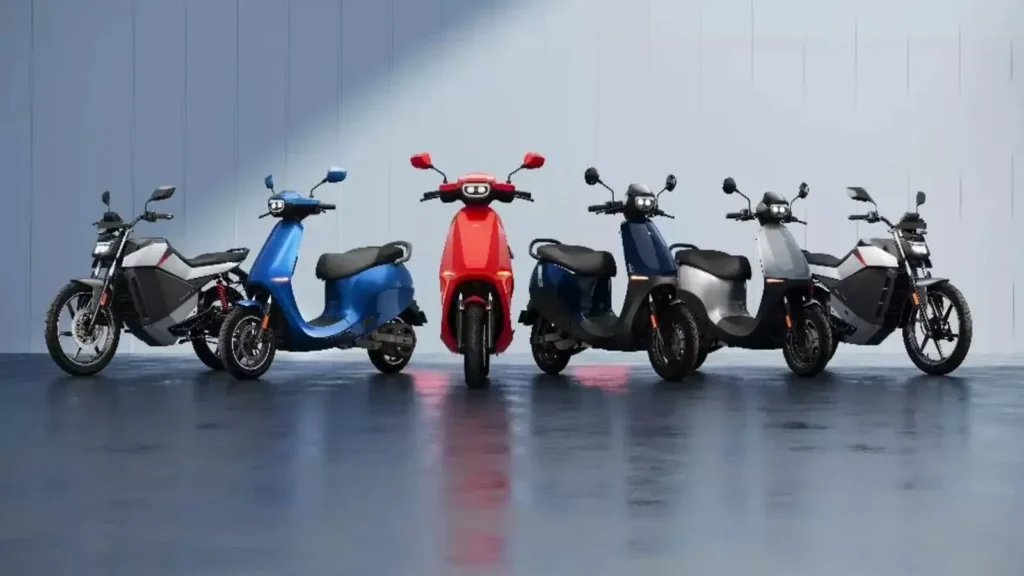
Even with margin gains, Ola is clearly under pressure. Why?
- Revenue and volumes are down sharply—reduced consumer demand, possibly tougher macro conditions.
- Competition is heating up: legacy players are stepping into the EV two-wheeler space aggressively.
- The fall in volume can hurt scale advantages and fixed-cost absorption.
As I see it, Ola has to balance profitability focus with reviving demand. Margin gains are only half the battle; volume fall is the other half.
Real-world insight: How this plays out for users & market
Let’s bring this closer to home: if you’re an Indian commuter looking at EV scooters in 2025, what does Ola’s performance suggest?
- If Ola focuses on margin over volume, you might see fewer ultra-cheap aggressive discounts and more emphasis on quality/features.
- A company tightening its belt might invest more in service and reliability—something EV buyers care about deeply.
- But fewer volumes may also mean slower new model launches or limited geographic availability.
For the broader market: Ola’s journey is a microcosm of the transition. The “growth at all costs” EV era is giving way to “growth with profitability” demands.
Outlook & FY 26 focus: What to watch
According to Republic World, Ola has guided for FY26 consolidated revenue of around ₹3,000-3,200 crore, and the auto segment is aiming for gross margins of ~40% by Q4.
Also, Ola’s battery-cell business and in-house production (e.g., 2.5 GWh capacity) are part of the story.
In simple terms, the next few quarters will tell if Ola can turn the margin promise into volume stability. For investors and EV watchers, that’s where the rubber meets the road.

My take: Why this matters emotionally
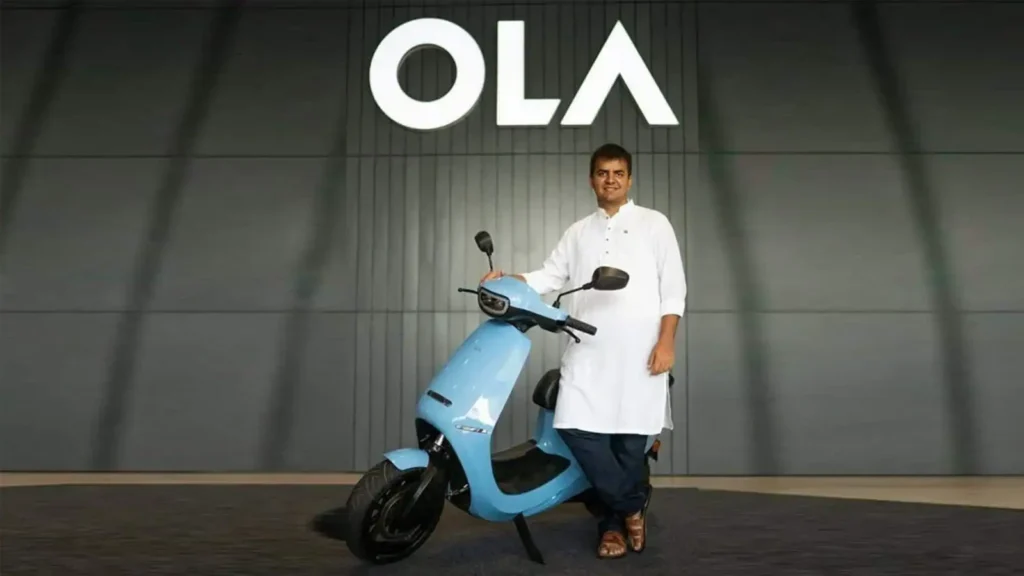
Seeing Ola Electric shrink its loss and improve margins gives me cautious optimism. I’ve followed EV companies for years, and many burn cash with wild growth but flounder when the music stops.
Here, I sense a shift. Ola is waking up to reality: yes, you can’t grow forever by throwing discounts; you must build for the long term. That matters not just for shareholders, but for end users who want reliable, affordable EVs.
But there’s anxiety too: what if demand doesn’t bounce back? What if competition outruns you despite margin gains? For me, the emotional tug is: hope mixed with tension.

Wrap-up: A step forward, but the journey continues
Ola Electric’s Q2 result isn’t perfect—far from it. Volume drop, revenue fall, still in the red. But the margin improvement is a meaningful step.
If Ola can hold margins, revive volumes, and execute its battery and cell strategy, then perhaps it is turning a page. For now, the story is in transition.
I’ll be watching closely. Because in the EV race, the companies that survive are the ones that combine growth with discipline, not either/or.
And personally? I respect a company that realises “we must fix the basics before we hit warp speed”.
Conclusion
Ola Electric Q2 FY26 shows progress, not perfection. Losses are narrowing, and margins are finally in the green — a rare bright spot in a tough quarter. If the company can revive demand while keeping costs in check, it might just steer India’s EV dream back on track.
Disclaimer: The views and recommendations above are those of individual analysts or brokerage companies, not US News Weeks. We advise investors to check with certified experts before making any investment decisions.
Source : The Economic Times & Republic World - Ola Electric Q2 FY26 Result
✍️ Written by Nikhil Singh
Market & IPO Analyst | Business News Writer | Tech-Auto Observer
Nikhil has been tracking Indian IPOs, consumer brands, tech & automobile overview and financial trends since 2019. His writing style blends market insight with a relatable human voice — making complex data simple for everyday investors.