“This article expresses my personal analysis based on publicly available financial data and market reports.”
SBI Lending Rate Cut: What It Means for Your EMIs and Savings in 2025
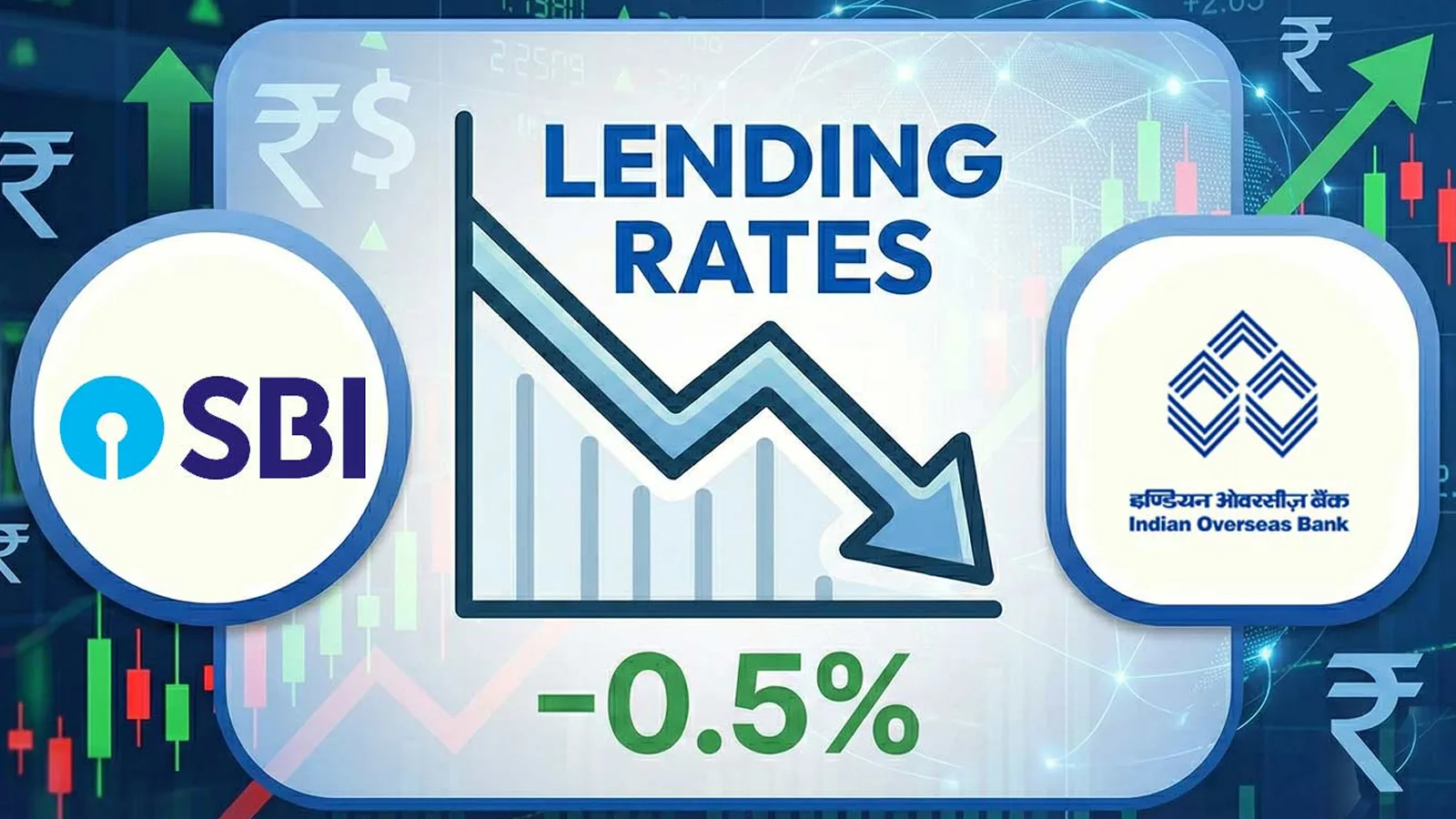
The country’s largest bank, SBI, has rolled out a fresh update on its lending and term deposit rates. This move has instantly sparked conversations among homebuyers, salaried individuals, and small businesses who are already juggling rising expenses.
As someone who tracks personal finance closely, I felt this update hit home. A small rate change often creates a big shift in how Indian families plan their monthly budgets.
Let’s break down what has changed and what it means for you.
SBI Lending Rate Cut: A Big Relief for Borrowers
SBI has trimmed its lending rates, bringing a wave of relief to customers repaying home, auto, and personal loans. Even a slight dip in rates can reduce EMIs by a noticeable margin over long tenures.
Many customers shared on social media that they’ve been waiting for this moment, especially after months of high borrowing costs. For a middle-class family paying a ₹40,000 home loan EMI, even a ₹300–₹400 reduction feels like emotional breathing space.
The cut in SBI’s MCLR shows that banks are preparing for a softer interest-rate environment in 2025.
Also Read Corona Remedies IPO Allotment: Easy Steps to Check Status
SBI Lending Rate Cut: Impact on Home, Auto, and Personal Loans

Borrowers may soon see slightly lower EMIs or increased eligibility when applying for new loans.
One real example: A Pune-based IT engineer shared that his eligibility increased by nearly ₹2–3 lakh simply due to the revised rate. It may sound small, but for many young buyers, this can be the difference between settling and upgrading.
Small businesses, too, are likely to benefit. A café owner from Bengaluru expressed that even a 0.05% drop helps keep cash flow stable during uncertain times.
These stories show that lending-rate changes aren’t just numbers—they shape real lives.
Term Deposit Rates Also Adjusted
Along with the SBI lending rate cut, SBI has fine-tuned its term deposit slabs.
Short-term deposit rates—especially lower-tenure ones—saw reductions. Longer-tenure options remain relatively stable, signalling SBI’s attempt to balance liquidity and long-term savings behaviour.
For senior citizens who depend heavily on fixed deposits, even a minor revision can influence their annual income. Many retirees prefer SBI for its safety, so they’ll be watching this trend closely.
The bank’s move comes at a time when inflation is moderating, and the RBI’s next rate action is widely anticipated.
Why 2025 Is a Turning Point for Banking
2025 is shaping up to be an interesting year for Indian banking. After a tight-rate period, banks are gradually shifting toward easing policies. SBI’s new rates echo a broader trend where lenders want to support borrowing and stimulate economic activity.
Digital adoption is adding another layer to this momentum. Young customers increasingly compare rates, break FDs, or shift funds with a few taps. Banks like SBI are adapting quickly by keeping rate updates transparent and accessible.
In my personal view, this rate adjustment feels like a signal that the banking ecosystem is gearing up for healthier growth and a more borrower-friendly year.
Also Read Mexico’s 50% Tariffs Hit India’s $1 Billion Exports
Should You Change Your Personal Finance Plan?

If you’re a borrower, this may be a good moment to revisit your EMI schedule. Some people may choose part-prepayment; others might extend tenure for ease.
According to Mint, FD investors need to be more strategic. Instead of locking everything into a single long-term deposit, many advisors suggest laddered deposits—this way, you stay flexible as 2025 unfolds.
Every financial decision is personal, but these rate changes give everyone a chance to rethink and optimise.
Conclusion: A Small Change With Huge Everyday Impact
SBI’s lending rate cut and deposit revision may look like routine banking updates, but their real impact shows up in living rooms, not boardrooms.
- A few hundred rupees reduced from an EMI feels like hope.
- A slight shift in FD returns reminds us to stay watchful.
- And 2025 is shaping up to be a year when financial stability becomes more achievable for millions.
From my perspective, this update from SBI feels like a gentle push toward a more balanced, more optimistic financial year.
FAQs About SBI Lending Rate Cut
1. Why did SBI cut lending rates?
Ans.: SBI reduced lending rates to offer relief to borrowers and align with the expected easing interest-rate trend in 2025. It also supports loan growth as demand rises across housing, auto, and personal loans.
2. Will my EMI reduce after the SBI lending rate cut?
Ans.: Yes, if your loan is linked to MCLR or the revised rate, your EMI may decrease slightly. The exact change depends on your loan amount and remaining tenure.
3. How do the new term deposit rates affect FD investors?
Ans.: Some short-term FD rates have been reduced, so investors may earn a bit less on lower tenures. Longer-term FDs remain mostly stable. You may consider splitting deposits into different tenures for better flexibility.
4. Is 2025 a good time to take a home loan?
Ans.: Many experts believe 2025 may offer better loan affordability as lending rates soften. If you were waiting for the right moment, this could be a favourable time to plan a home purchase.
5. Should senior citizens worry about the FD rate changes?
Ans.: Not necessarily. SBI still offers higher interest rates to senior citizens, and long-tenure FD rates remain steady. Reviewing your FD laddering strategy is a good idea.
Also Read Hindustan Zinc Shares Jump as Silver Prices Boost Sentiment
Disclaimer: The views and recommendations above are those of individual analysts or brokerage companies, not US News Weeks. We advise investors to check with certified experts before making any investment decisions.
Source : Mint & NDTV - SBI Lending Rate Cut
✍️ Written by Nikhil Singh
Market & IPO Analyst | Business News Writer | Tech-Auto Observer
Nikhil has been tracking Indian IPOs, consumer brands, tech & automobile overview, and financial trends since 2019. His writing style seamlessly blends market insight with a relatable human voice, making complex data accessible to everyday investors.