Tesla Hikes Lease Prices As EV Tax Credit Expires – Will This Shake the Electric Car Market?
The craze for electric vehicles is everywhere these days, but the U.S. auto industry has faced a major challenge. News of Tesla hikes lease prices surfaced when the federal government expired the $7,500 tax credit offered to EV buyers. This change has created new uncertainty across the electric car market. Previously, buyers benefited from a tax subsidy, but now, with its expiration, carmakers are having to reset their pricing strategies.
Tesla Hikes Lease Prices – Impact of a Changing Market
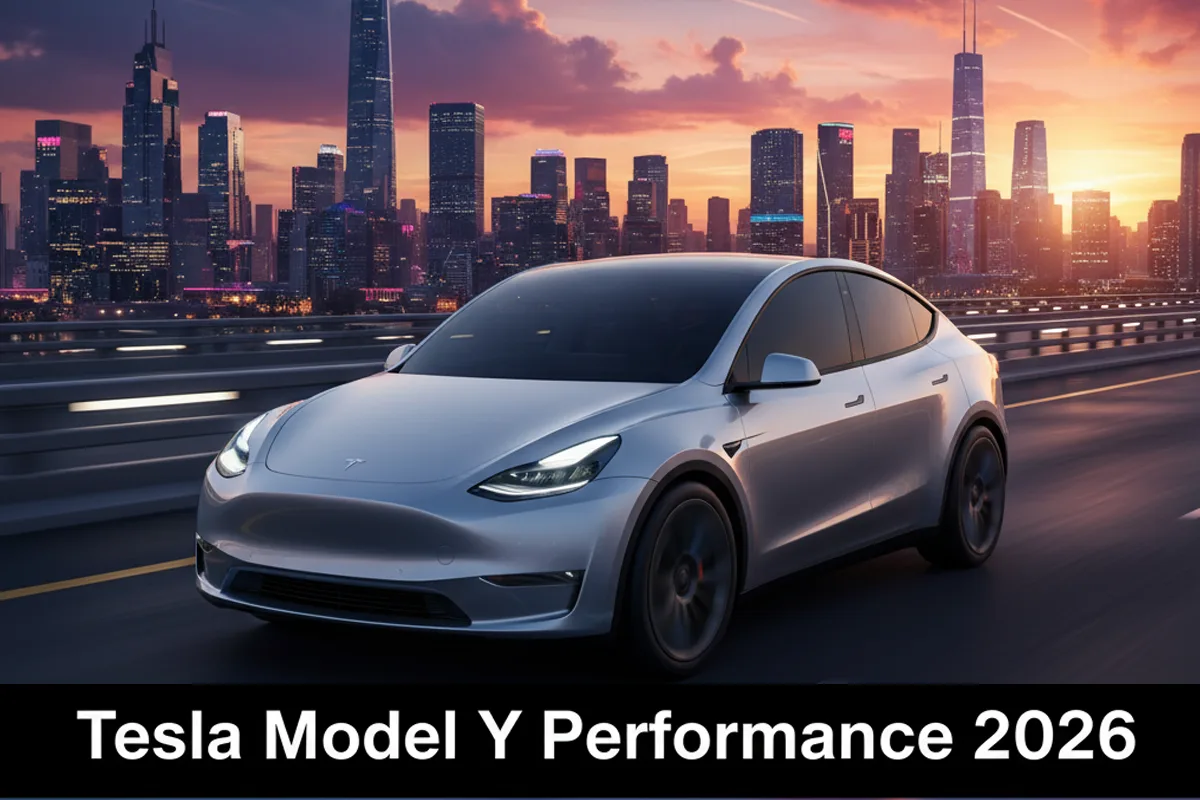
Tesla has always factored government tax credits into lease prices to make its cars competitive. However, now that the subsidy has ended, the company has increased lease rates on its popular models. Model Y leases previously ranged from $479–$529, but have now risen to $529–$599. Similarly, Model 3 leases have increased from $349–$699 to $429–$759. According to a Reuters report, this jump creates an additional financial burden for buyers and may impact demand.
The Pull-Forward Effect of Demand
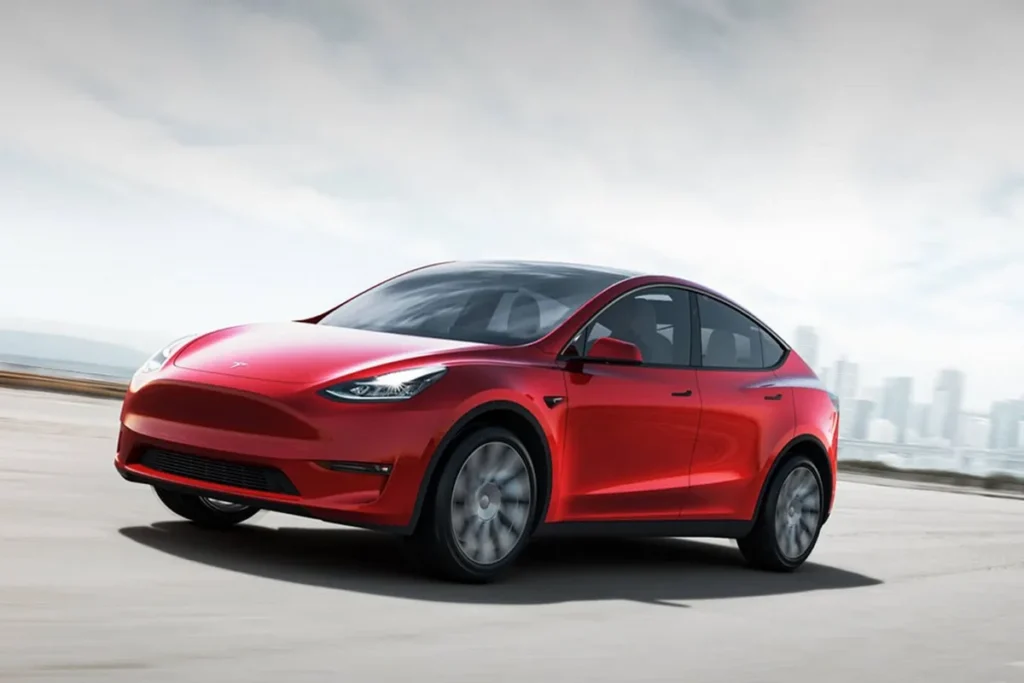
Experts say buyers rushed to purchase EVs before the subsidy ended. William Blair analyst Jed Dorsheimer reported that Tesla demand was stronger than expected by the end of the third quarter, as people wanted to finalize their car purchases before the subsidy ended. He estimates that Tesla will report approximately 443,000 EV deliveries in its quarterly figures. However, now that the subsidy has ended, demand may decline.
Tension for Ford and Other Automakers
Tesla is not the only company that will feel the impact of this policy change. Ford CEO Jim Farley has openly stated that EV market share risks falling from 10–12% in September to just 5% in October. He says the industry will remain vibrant, but the size will not be as large as previously thought. Hyundai Motors has cut the sticker price of its upcoming Ioniq 5 by $9,800 to attract buyers. It has also decided to continue a $7,500 cash incentive for 2025 models through October.
Fear of Decline in the U.S. EV Market
Automotive executives are understandably concerned following the new tax law. Nissan Americas chairman Christian Meunier said in October that the U.S. EV market could face a “collapse.” According to him, competition will be even more brutal because automakers have already built up significant inventory. Attracting buyers without subsidies will become even more difficult.
This situation is especially serious because U.S. EV adoption rates already lag behind China and Europe. In China, EV and plug-in hybrid sales have surpassed 40%, while in Europe they are around 20%. In the U.S., growth has been slowing despite subsidies, and sales are now at risk of falling further.
Dealer Concerns and Unsold Stock
Local dealers are also worried about the loss of subsidies. Scott Kunes, COO of a Midwest dealer group, said his team is now sourcing fewer EVs from manufacturers until clear demand is identified. Missouri dealer Brad Sowers said affordable EVs will likely sell, but luxury models above $90,000, like the Chevy Silverado electric pickup, will struggle. The point is simple: without subsidies, buyers will prefer value-for-money cars.
Tesla Investors Eye the Future
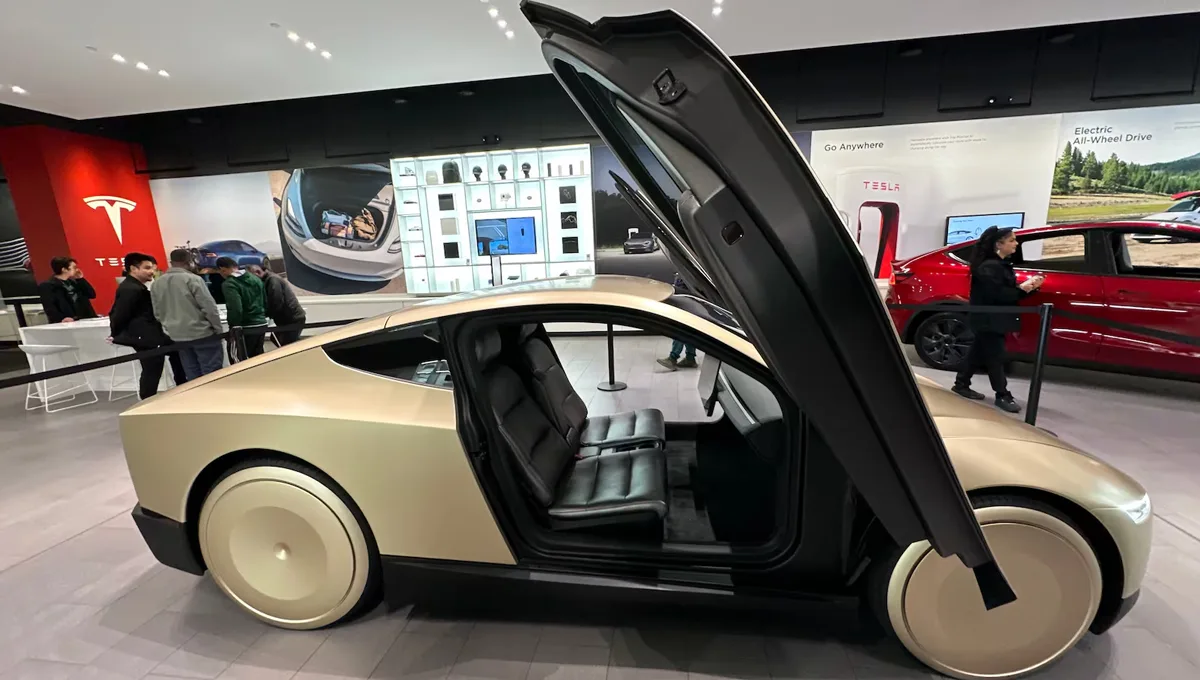
While there are concerns about demand and sales, Tesla investors are not too worried. The market’s focus is now on autonomous vehicles, robotics, and humanoid robots. Analysts say Tesla stock has reached near all-time highs due to robotic axi launches and Elon Musk’s new stock purchases. This means investors are focused on long-term innovations rather than short-term demand.
Roadmap to an EV Future – Uncertain but Exciting
It’s true that the news of Tesla hiking lease prices has confronted the industry with a new reality. Costs have risen for buyers, demand has become uncertain for automakers, and dealers face the risk of unsold stock. But at the same time, a new era of innovation and competition is also beginning. While players like Ford and Nissan are cautious, Tesla is maintaining investor confidence due to its futuristic products.
The electric vehicle industry is in a transition phase. Government policies and incentives directly affect its growth. The coming months will determine the direction in which U.S. EV adoption rates and market size will move.
Disclaimer:
This article is for informational purposes only. The financial or market insights provided herein are not intended to be investment or business advice. Readers should seek professional consultation before making any decisions.
Also Read
Elon Musk Becomes First Person With $500 Billion Net Worth | Forbes Milestone 2025