“This article expresses my personal analysis based on publicly available automotive data, official teasers, and industry reports.”
A fresh chapter for Tata Harrier and Safari SUV family
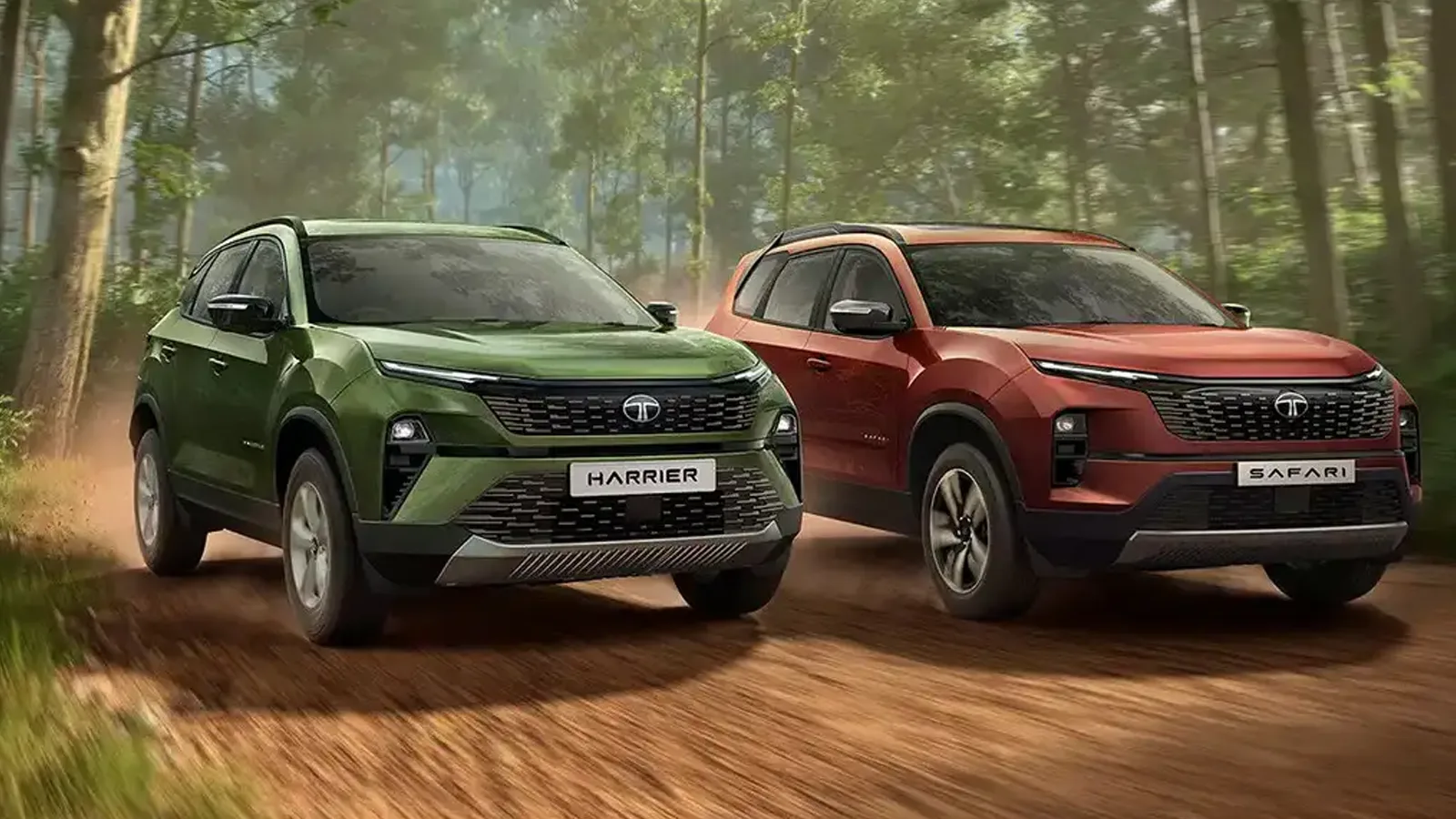
If you’ve ever longed for a petrol version of an SUV from Tata, your wait is almost over. The much-anticipated petrol variants of the Tata Harrier and Safari are scheduled to launch on December 9, 2025.
For many buyers who preferred refinement, quieter operation and lower maintenance of petrol power over diesel, this is a welcome shift. I feel like it’s a strong move by Tata to meet evolving demands.
Why the petrol version matters in India’s SUV market
Until now, the Harrier and Safari were offered only with diesel powertrains—limiting choice for petrol-preferring consumers.
By introducing a petrol engine, Tata is aligning with current trends: city drivers & families who favour petrol for smoother behaviour, lower NVH (noise-vibration-harshness) and lighter servicing.
In a real-world scenario: a Mumbai family commuting daily might prefer petrol for frequent city driving rather than a diesel tuned for long hauls. For them, this launch could make the difference.
And from a brand perspective, it closes a gap—some competitors already offer petrol and diesel versions in these segments.
Also Read New Tata Sierra Interior Teased: Triple Screens & ADAS
The engine & technical bits – what’s under the hood
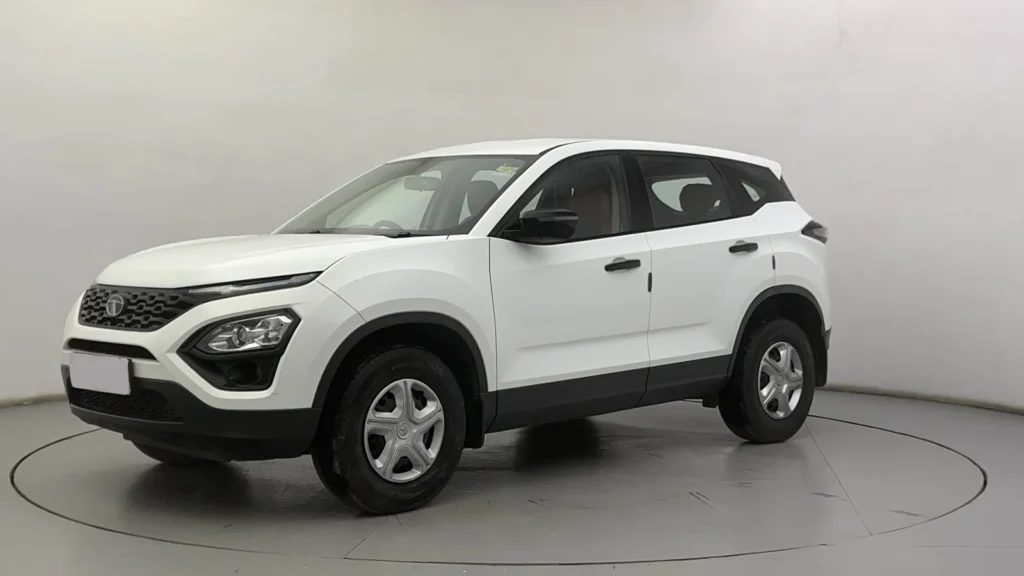
The heart of these upcoming petrol versions is a new 1.5-litre four-cylinder direct-injection turbo-petrol from Tata’s ‘Hyperion’ engine family.
Expected performance numbers: around 170 hp and ~280 Nm of torque. Transmission options are likely to include both manual and automatic, though Tata hasn’t confirmed whether the automatic will be a dual-clutch or torque-converter.
From a buyer’s standpoint, this means you might get diesel-like performance with petrol efficiency—especially good for those who do mixed driving (city + highway).
My take: It’s quite an ambitious unit for its class—if refinement and reliability match the specs, this could be a strong heart for these SUVs.
Pricing and competitive edge in 2025
While official pricing isn’t out yet, industry trackers suggest the petrol variants will be positioned slightly below their diesel counterparts.
For example, current diesel price ranges: Harrier ~ Rs 14 lakh onwards, Safari ~ Rs 14.66 lakh onwards.
What this means: For many buyers, the petrol version could become the more accessible entry into Tata’s premium SUV space.
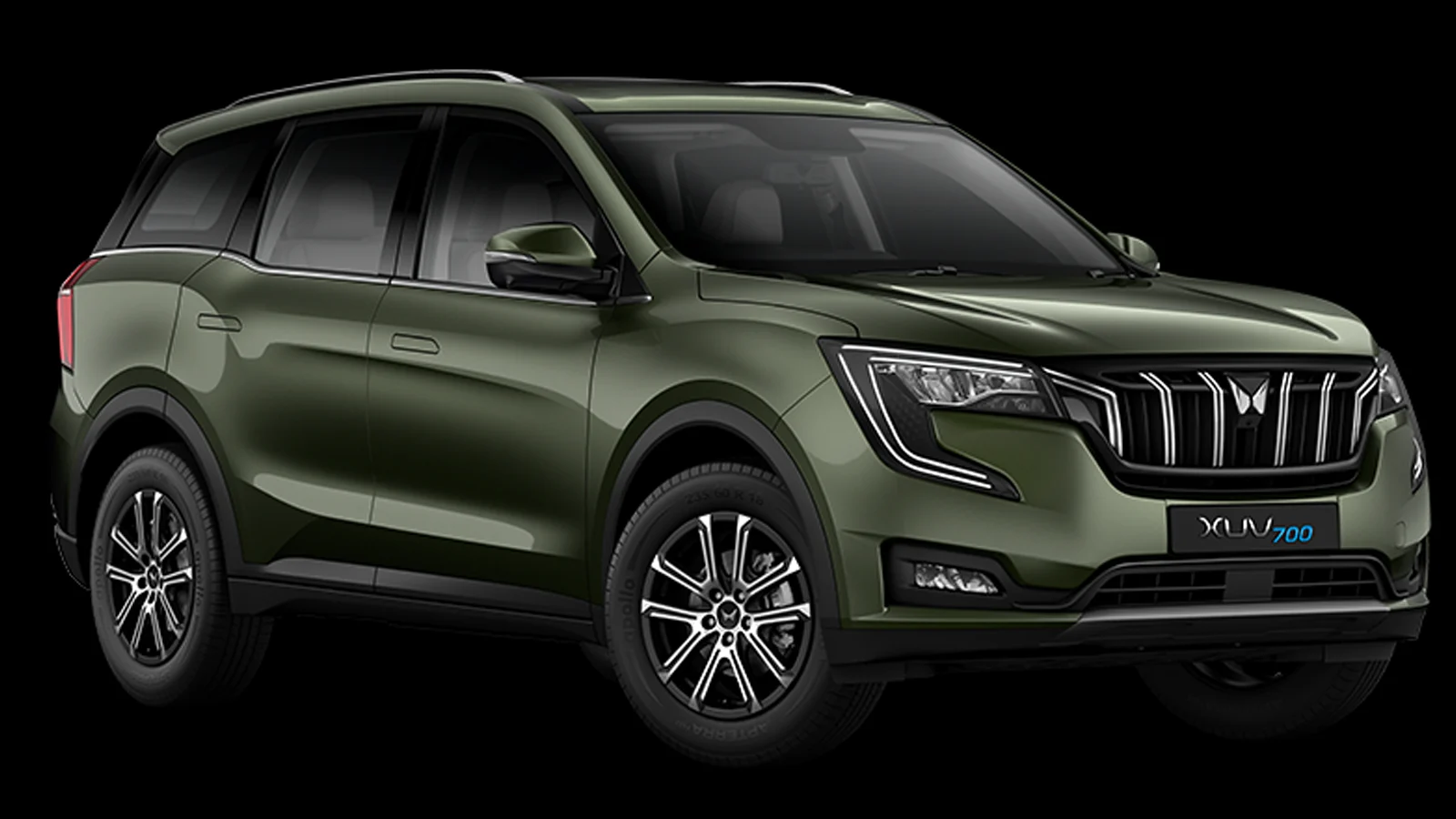
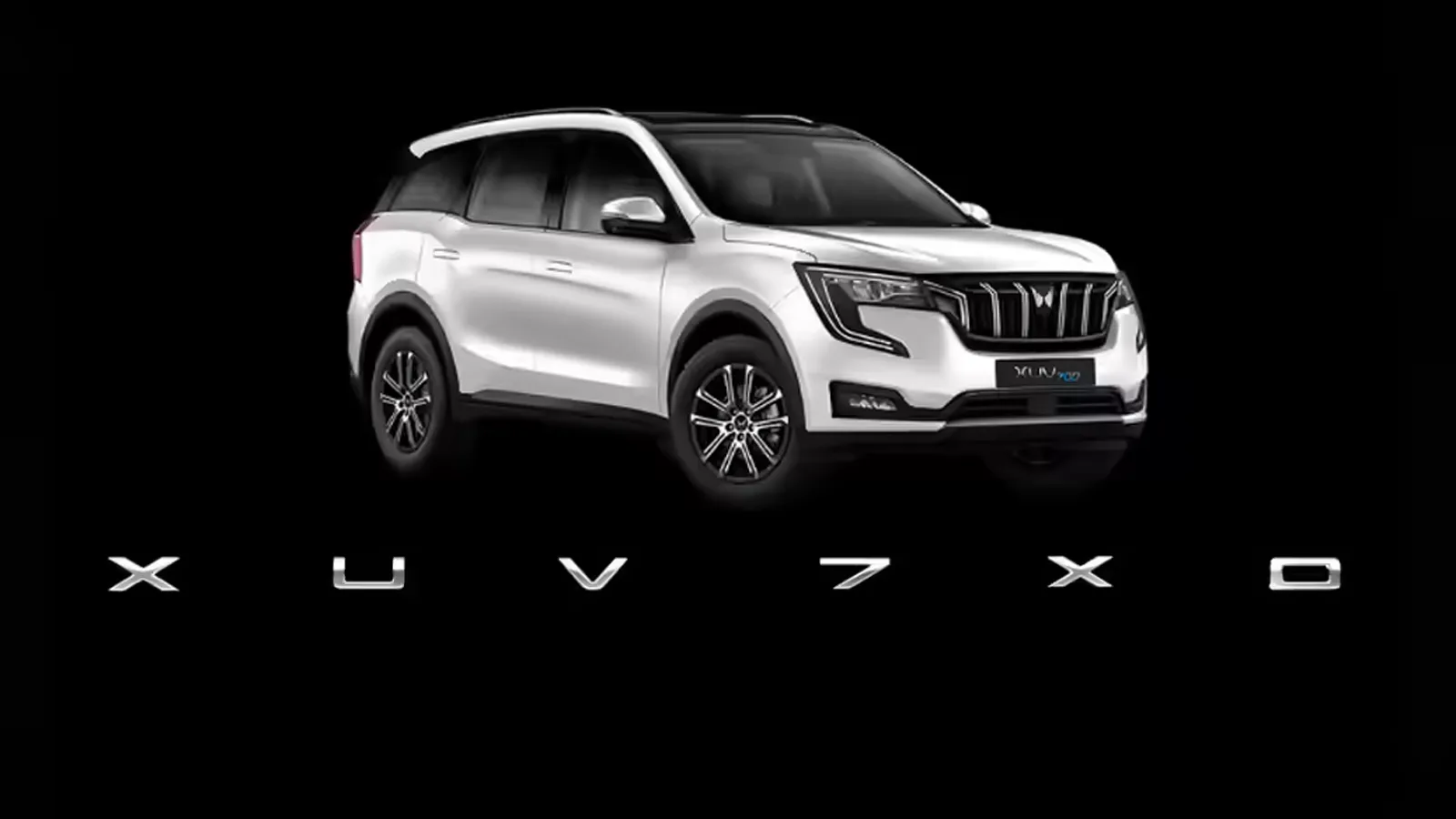
Competitively, the petrol Harrier and Safari will be taking on models like the MG Hector, Hyundai Alcazar, Mahindra XUV700 (petrol version), etc.
On a personal note: If I were shopping now, the idea of a strong petrol SUV with Tata’s safety and feature package—and at a slightly lower price—sounds very appealing.
Real-world implications & who should care
- City-centric buyers: If you’re doing mostly city driving, petrol may be easier and quieter, with less maintenance hassle.
- Occasional highway users: With 170 hp and 280 Nm, the engine has the grunt to make highways comfortable, so you don’t miss out.
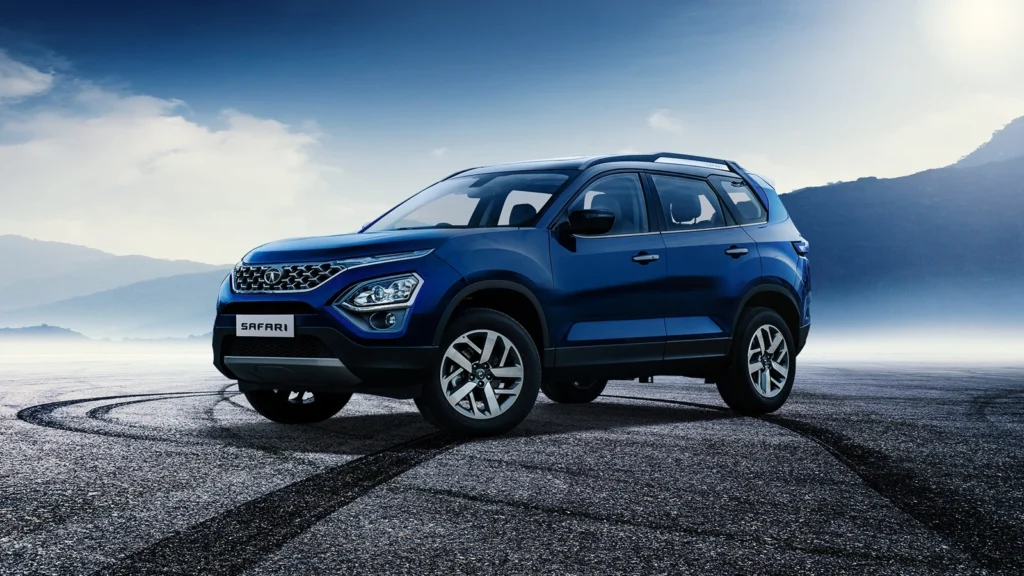
- Families/five-seaters or three-row users: With the Safari’s three-row option, a petrol choice enhances appeal for families who prefer petrol.
- Fleet buyers: In markets where petrol is becoming more accepted, this adds flexibility.
- Tata loyalists waiting for petrol: You get your wish!
One insight: Diesel still offers more torque for heavier loads or aggressive performance—but petrol is catching up, especially with tuned turbos like this. If refinement matters more than brute torque, petrol is the winner.
Also Read Yamaha XSR155 India Launch — Retro Meets R15 Power
2025 trend check – why now matters
In 2025, some clear trends in India’s auto market: petrol engines gaining ground, emissions and regulations tightening, and buyers looking for value & feature-rich offerings.
Tata’s introduction of petrol versions now shows awareness of these shifts:
- More petrol infrastructure, less diesel dominance.
- Rising interest in SUVs with modern petrol turbos.
- Buyers expecting premium features (ADAS, tech, comfort) regardless of engine.
From a my perspective, it feels like Tata is finally listening to the “I want petrol” segment in their SUV line-up, and that feels good. The August/September 2025 GST and regulation changes have pushed brands to diversify and adapt.
So yes: launching December 9 hits the sweet spot—just ahead of the new year, just as buyers start looking for fresh options.
Conclusion
The upcoming petrol versions of the Harrier and Safari mark a big step for Tata’s SUV portfolio—and for Indian buyers too. As someone who watches the market closely, I genuinely believe this move adds meaningful choice. If you’re in the market for a mid-size SUV but prefer petrol over diesel, mark December 9 on your calendar. My hope? That the delivery, service, and driving experience live up to the promise of those nice engine numbers. Because specs are one thing, but real-world satisfaction is where the love for a car begins.
Also Read Hero Xtreme 125R Launches at ₹1.04 Lakh – Dual Channel ABS & More
Disclaimer: The information in this article is based on official teasers and media reports available at the time of writing. Specifications, features, and launch timelines may vary upon the official release by Tata Motors. The views expressed are for informational purposes only and do not constitute investment or purchase advice.
Source : Autocar India & CarWale - Tata Harrier and Safari Petrol
✍️ Written by Nikhil Singh
Market & IPO Analyst | Business News Writer | Tech-Auto Observer
Nikhil has been tracking Indian IPOs, consumer brands, tech & automobile overview, and financial trends since 2019. His writing style blends market insight with a relatable human voice — making complex data simple for everyday investors.