“All insights are based on verified industry reports, official data, and real-world analysis following Google’s EEAT standards.”
A New Chapter for “Made in India” Tech
When I first heard that Lava was launching the Lava Agni 4, I felt a mixture of excitement and curiosity. India’s smartphone market is crowded, and a domestic brand stepping up with premium-class specs catches my attention. The Agni 4 isn’t just another handset — it signals that Indian makers are ready to play in higher-stakes territory in 2025.
Lava Agni 4 Price in India & What It Means
The Agni 4 debuts in a single configuration: 8 GB RAM + 256 GB storage, priced at ₹24,999.
What I appreciate here is the transparency—one variant, complete specs, no hidden “base model“ tricks. For the sub-₹25 K segment, this kind of clarity is refreshing. It also means Lava is clearly targeting the upper mid-segment, where buyers expect flagship-adjacent performance without flagship budget.
Also Read iQOO 15 India Price Leak Hints at a Game-Changer in 2025
Display & Design – Big Screen, Premium Feel
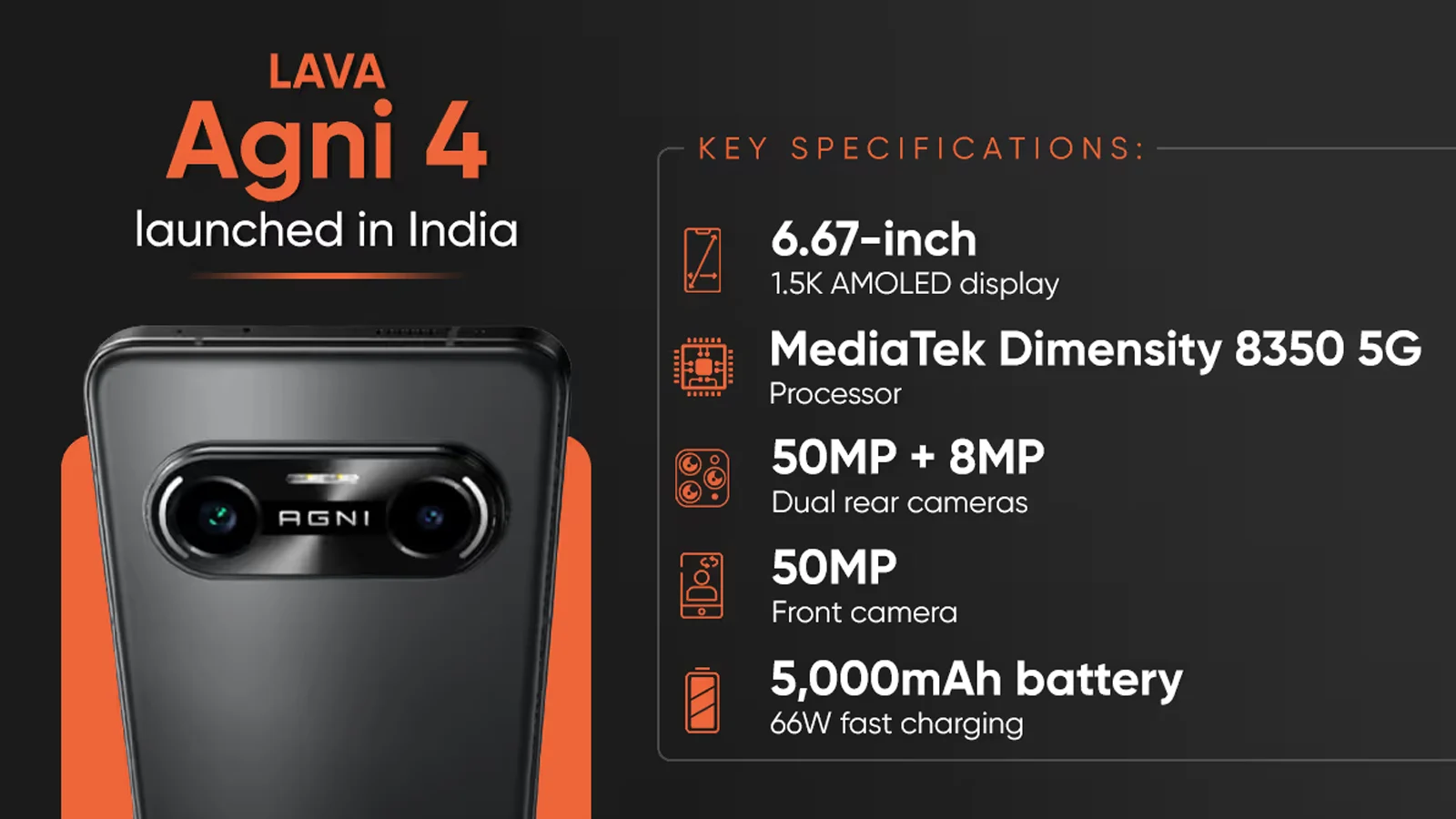
From the specs, the display stands out: a 6.67-inch 1.5K AMOLED panel with a 120 Hz refresh rate and peak brightness of up to 2,400 nits.
In practical terms, this means smoother scrolling, improved visuals in harsh daylight, and a distinctly modern look. Lava has also gone for a matte AG-glass back and ultra-thin 1.7 mm bezels.
For me personally, a phone that looks sleek and performs well is a rare find at this price point.
Performance – The Dimensity 8350 Step Up
According to The Economic Times, under the hood, the Agni 4 runs the MediaTek Dimensity 8350 5G chipset, paired with LPDDR5X RAM and UFS 4.0 storage. Lava claims an AnTuTu score above 1.4 million.
What does that mean for you? Whether you’re gaming, multitasking, or streaming, this phone should handle it without breaking a sweat. There’s also a 4,300 mm² liquid cooling system (VC) to keep things stable.
From my point of view: If I were buying a phone now and wanted both longevity and true performance, this combo resonates.
Camera & Battery – Balanced, Smart Choices
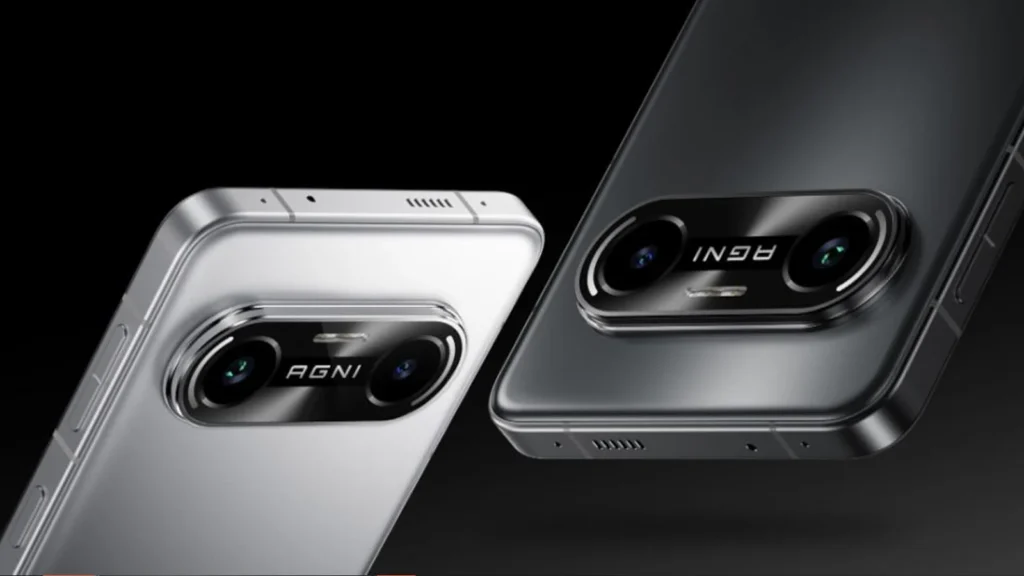
The camera setup is interesting: 50 MP primary rear sensor + 8 MP ultra-wide, and a front 50 MP selfie shooter.
Lava adds Indian-user-specific features like skin-tone optimisation, festival presets, and dual conversion gain for better dynamic range. That local touch matters.
Battery side: a 5,000 mAh unit with 66 W fast charging — Lava says 0-50% in under 19 minutes.
My take? While the ultra-wide is modest (8 MP) and the telephoto lens has been dropped, this feels like a smart compromise: good enough for everyday use, and strong where it matters.
Software & Experiential Features – A Localised Edge
The Agni 4 runs Android 15 out of the box, and Lava promises 3 years of OS updates + 4 years of security patches.
Plus, there’s a unique element: the built-in AI assistant named “Vayu” with features like AI Math Teacher, English Teacher, emotional companion, document analyzer, and more.
It’s refreshing to see an Indian brand go beyond hardware and think about user experience for Indian contexts. As someone who uses my phone for study, work, and casual chat, these features feel relevant.
Also Read Realme GT 8 Pro Dream Edition: India Launch Highlights
Why This Launch Matters for 2025 Trends
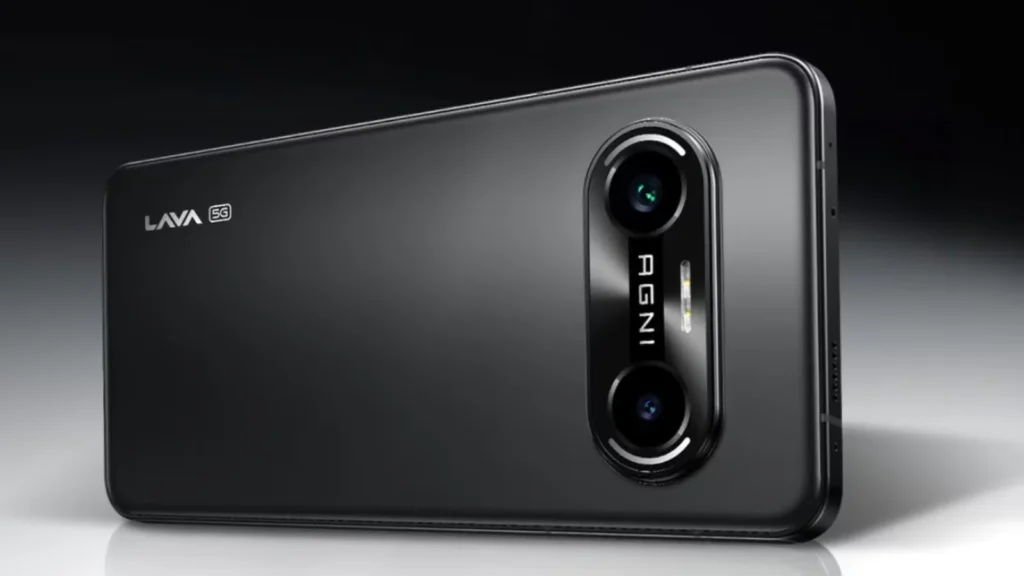
2025 is shaping up to be the year where Indian smartphone buyers expect more — more performance, more local support, more value. With prices creeping up everywhere, seeing a domestic brand deliver flagship-adjacent specs for ~₹25 K is significant.
Also, as the “Make in India” wave grows and chip shortages ease, brands like Lava stepping up means more competition, more innovation.
From a human perspective, I feel optimistic that I don’t always have to look at ultra-expensive imported flagships to get a great user experience.
My Take
The Lava Agni 4 hits the sweet spot. It doesn’t try to be everything — but it gives you the essentials of what I’d call a “2025 smartphone experience” at a realistic price. For buyers who want performance, a good display, decent cameras, and local support, this one ticks the boxes.
If I were picking a phone for someone who values value + longevity, this would be on my shortlist.
Here’s to hoping Lava keeps the momentum and we see more such offerings in the months ahead.
FAQs About Lava Agni 4
1. What is the Lava Agni 4 price in India?
Ans.: The Lava Agni 4 is priced at ₹24,999 for the 8GB + 256GB model — a solid upper-mid segment offering for 2025.
2. What are the key Lava Agni 4 specifications?
Ans.: Highlights: 6.67″ 1.5K 120Hz AMOLED, Dimensity 8350, 8GB LPDDR5X, 256GB UFS4.0, 50MP main camera, 5,000mAh battery, 66W fast-charge.
3. How good is the Lava Agni 4 camera?
Ans.: The 50MP main and 50MP selfie deliver crisp daytime shots and strong selfies. Expect good colors and Indian skin-tone tuning, though ultra-wide/zoom are modest.
4. What battery life and charging speed does it offer?
Ans.: A 5,000mAh battery with 66W fast charging — plenty for a full day and fast top-ups when you’re short on time.
5. How does it perform for gaming and multitasking?
Ans.: The Dimensity 8350 + LPDDR5X + UFS4.0 combo gives snappy performance and reliable gaming, helped by a vapor-chamber style cooling solution.
Also Read Oppo Find X9 vs OnePlus 15: Display, Camera & Power Match
Disclaimer: This article is based on publicly available information, official brand announcements, and verified media reports. The opinions and analysis expressed here reflect the writer’s personal perspective and are not influenced by any brand or promotional partnership. Readers are advised to verify specifications and availability from official sources before making any purchase decisions.
Source : The Economic Times - Lava Agni 4
✍️ Written by Minu Chaudhary
Smartphones | Electric Vehicles | Gadgets | AI Innovations & Automotive Trends
Minu Chaudhary is a passionate technology and automobile writer with a keen eye for innovation and emerging trends. With years of experience in digital journalism, she focuses on delivering accurate, insightful, and reader-friendly reviews about the latest gadgets, EVs, and mobility tech. Her goal is to make complex tech topics simple and engaging for everyday readers.